
Exploring New Zealand’s WWII Coastal Defences — Hidden Bunkers, Batteries & Forgotten Forts
🌊 A Hidden Legacy on New Zealand’s Coast
Beneath New Zealand’s dramatic coastlines lie relics of a turbulent past — WWII bunkers, gun batteries, and hidden tunnels. Built in haste during the early 1940s, these defences were designed to guard against invasion, protect key ports, and reassure a nervous nation.
Today, many of these sites remain — silent, weathered, and fascinating to explore. They are living reminders of New Zealand’s role in the Second World War, where thousands of Kiwis trained, watched, and waited for threats that never came.
At Honour Bound, we take guests inside this history, blending military heritage with New Zealand’s iconic scenery. Here are the top WWII coastal defence sites in New Zealand that every history enthusiast should visit.
🔭 1. Godley Head (Christchurch)
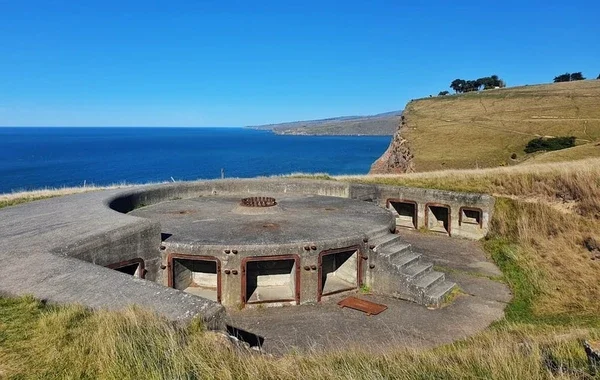
Perched above Lyttelton Harbour, Godley Head was one of New Zealand’s largest coastal defence batteries. Completed in 1939, it included heavy artillery, barracks, and observation posts. Soldiers here scanned the horizon for Japanese warships, ready to defend the gateway to Christchurch.
Today, visitors can explore the gun emplacements and military ruins while enjoying panoramic coastal views. A walking track links the historic sites with dramatic clifftop scenery — history meets nature at its best.
🏰 2. Fort Taiaroa (Otago Peninsula)
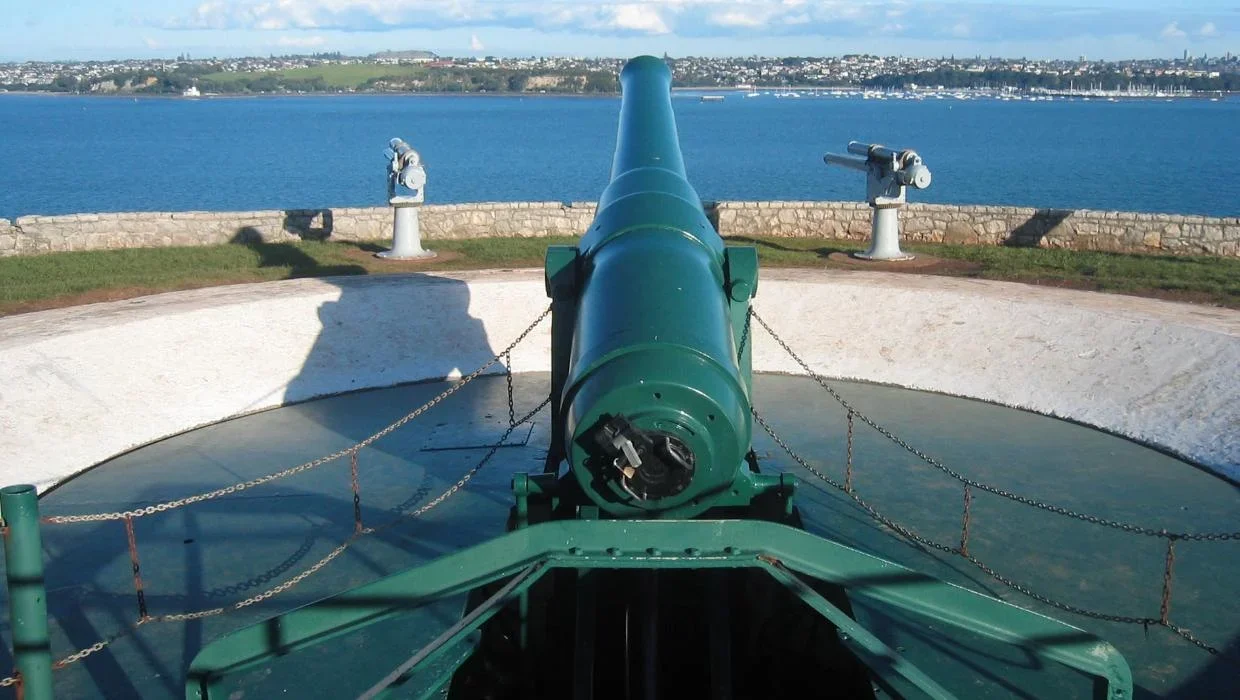
On the windswept tip of the Otago Peninsula, Fort Taiaroa is home to one of the world’s last surviving Armstrong Disappearing Guns — a marvel of 19th-century engineering, reactivated during WWII.
The site blends heritage with wildlife: rare seabirds soar above, while the fortifications below whisper stories of global conflict. Guided tours reveal underground tunnels and the mechanics of the disappearing gun, making Fort Taiaroa a must-see for military and engineering buffs alike.
🪖 3. Stony Batter (Waiheke Island)
Hidden beneath Waiheke Island’s rolling vineyards lies Stony Batter, an extraordinary network of underground tunnels and gun placements. Constructed in secrecy during WWII, the labyrinth was designed to defend Auckland from naval attack.
Visitors today can descend into the cool, echoing passageways, exploring a hidden fortress beneath one of New Zealand’s most scenic islands. Few sites capture the blend of wartime anxiety and Kiwi ingenuity like Stony Batter.
🏝 4. North Head (Devonport, Auckland)
North Head Historic Reserve in Devonport is one of Auckland’s most accessible WWII defence sites. Its bunkers, tunnels, and artillery positions overlook the Waitematā Harbour, protecting the entrance to New Zealand’s busiest port.
The tunnels are open to the public — a torch is recommended — making it a popular day trip for families and history fans. Combined with Devonport’s Victorian charm, North Head offers a perfect mix of heritage and sightseeing.
⚓ 5. Fort Jervois (Lyttelton Harbour)
Built on Ripapa Island in the 1880s and later repurposed during WWII, Fort Jervois stands as a reminder of New Zealand’s shifting defence priorities across generations. Its thick stone walls, gun pits, and barracks were reactivated as global conflict loomed once again.
Accessible by boat, Fort Jervois is less visited than other sites — but for those who make the journey, it’s a fascinating glimpse into New Zealand’s layered coastal defences.
📌 Why These Sites Matter
New Zealand’s WWII bunkers and forts were more than just concrete and steel. They represented determination, fear, and resilience. Thousands of New Zealanders — many barely out of school — manned these defences, spending long, cold nights on watch.
Though no enemy ships ever appeared, the bunkers and tunnels remain as powerful symbols of New Zealand’s contribution to the Allied war effort, and as poignant reminders of a world on edge.
🧭 How to Visit These Sites Today
Godley Head (Christchurch) – Walking tracks and ruins open daily.
Fort Taiaroa (Otago) – Guided tours available at the Royal Albatross Centre.
Stony Batter (Waiheke Island) – Open to visitors; guided tours recommended.
North Head (Auckland) – Public access via Devonport ferry; self-guided.
Fort Jervois (Ripapa Island) – Access limited; occasional heritage tours.
💡 Many of these sites are integrated into Honour Bound’s Military Heritage & Scenic Tours, combining historical storytelling with New Zealand’s stunning landscapes.
❓ FAQs
Q: Are New Zealand’s WWII bunkers open to the public?
Yes. Many sites such as North Head (Auckland), Godley Head (Christchurch), and Stony Batter (Waiheke) are open to visitors, with guided tours at selected locations.
Q: What is the most famous military fort in New Zealand?
Fort Taiaroa in Otago is the most famous, housing the world’s only restored Armstrong Disappearing Gun.
Q: Can I visit these forts as part of a tour?
Absolutely. Honour Bound offers guided multi-day tours that include visits to key WWII sites alongside other military and scenic highlights across New Zealand.
🚌 Explore New Zealand’s Wartime Heritage with Honour Bound
If you’ve ever wanted to step inside a wartime tunnel, stand by a coastal gun, or hear the stories of New Zealand’s military past, there’s no better way than with Honour Bound Tours.
Our 20-day Military Heritage & Scenic Tour blends history with breathtaking scenery, from WWII bunkers to ANZAC battlefields and New Zealand’s most iconic landscapes.
👉 Join us in walking through history. Discover more at HonourBound.co.nz.

Walking in the Footsteps of the ANZACs: New Zealand’s Living Military History
It all begins with an idea.
Why ANZAC Day Still Matters in New Zealand
Every year on 25 April, New Zealand pauses at dawn. From small towns to major cities, thousands gather for ANZAC Day services to honour those who served in conflicts from Gallipoli to peacekeeping missions today. For many travellers, attending an ANZAC service in New Zealand is one of the most moving ways to connect with the country’s military heritage.
On the Honour Bound tour, ANZAC Day is not just an optional stop — it is woven into the heart of the journey. Guests stand shoulder to shoulder at the Pukeahu National War Memorial Park in Wellington, hearing the bugle’s Last Post as dawn breaks. It is a shared moment of remembrance that sets the tone for the rest of the tour.
Key ANZAC Sites on the Honour Bound Tour
Auckland War Memorial Museum
Set atop the Auckland Domain, this museum is more than a collection of artefacts. Its galleries walk you through the Boer War, Gallipoli, World Wars, and modern deployments. The Hall of Memories provides a solemn space for reflection, while the giant carvings of the Māori Court remind visitors of the unique cultural context of New Zealand’s service.
Pukeahu National War Memorial Park
In Wellington, this national site features memorials not only to New Zealanders but also to allied nations including Australia, the US, and the UK. A private guided tour on Honour Bound explores its symbolism before guests return the next day for the official ANZAC Day dawn service.
National Army Museum, Waiouru
In the central North Island, Waiouru’s museum is a highlight. Its exhibits bring to life the stories of New Zealand’s soldiers across the decades. From medals and uniforms to interactive displays, it connects the grand narrative of conflict to the lived experiences of ordinary men and women.
A Journey of Remembrance and Discovery
What makes the Honour Bound experience so unique is that it combines memorial moments with the landscapes that shaped them. One day you might be standing in Rotorua’s Redwood Memorial Grove, reflecting on foresters who served in WWI. The next, you are exploring modern RNZAF aircraft at Christchurch’s Air Force Museum. This balance ensures that remembrance is not abstract — it is tied directly to places, people, and culture.

Hidden Battlefields of the New Zealand Wars
It all begins with an idea.
The Forgotten Conflicts that Shaped a Nation
While Gallipoli and WWII dominate most travellers’ awareness of New Zealand’s military past, the New Zealand Wars (1845–1872) were the defining conflicts of the nation’s early history. These wars pitted British colonial forces against Māori iwi (tribes), reshaping land ownership, politics, and identity. Yet many overseas visitors have never heard of them.
The Honour Bound tour changes that. Guests don’t just hear the stories — they stand on the battlefields themselves.
Ruapekapeka Pā – Ingenuity in the North
In Northland, the fortified pā of Ruapekapeka demonstrates the ingenuity of Māori military engineering. Trenches, rifle pits, and bunkers here foreshadowed the trench warfare that would dominate Europe 70 years later. Guided commentary explains how Māori defenders adapted quickly to gunpowder warfare, and why this site marked the last major battle of the Northern War.
Rangiriri & Alexandra Redoubt – Waikato’s Story
South of Auckland, the Waikato River valleys were contested ground. At Rangiriri, a Māori defensive line was stormed in 1863 in one of the bloodiest battles of the Waikato War. Nearby, Alexandra Redoubt remains one of the best-preserved earthwork forts in the country. On Honour Bound, both sites are explored with expert interpretation, bringing the Waikato War to life.
Gate Pā & Te Ranga – Courage and Tragedy
In Tauranga, the battles of Gate Pā and Te Ranga were fought in 1864. At Gate Pā, Māori defenders inflicted a shocking defeat on British forces despite being heavily outnumbered. Just months later at Te Ranga, the tide turned in a bloody British victory. Standing at these sites today, guests gain a deeper appreciation of how these wars shaped cultural memory and identity.
Why These Sites Matter Today
The New Zealand Wars are not relics of the past — they remain deeply significant to iwi and the nation. Visiting them respectfully with knowledgeable guides ensures travellers gain more than historical facts; they gain cultural context.
World War II in New Zealand: From Tunnels to Coastal Defences
It all begins with an idea.
When War Came to the Pacific
Most people picture Europe or the Pacific Islands when they think of WWII, not New Zealand. Yet the country was on high alert throughout the conflict. With Japanese forces advancing across the Pacific and American troops stationed locally, New Zealand bristled with bunkers, radar stations, and gun batteries.
Godley Head – Defending Christchurch
Perched above Lyttelton Harbour, Godley Head Battery was one of New Zealand’s strongest coastal defence points. On the Honour Bound tour, guests walk past restored gun emplacements, plotting rooms, and bunkers, imagining the tension of lookouts scanning the sea for enemy ships.
Stony Batter & Waiheke Island – Hidden Tunnels
On Auckland’s Waiheke Island, the Stony Batter Historic Reserve hides kilometres of WWII tunnels carved deep into the rock. Originally designed for giant coastal guns, these tunnels are now accessible by guided walk. Combined with visits to radar stations and emplacements, they tell the story of how Auckland was prepared to repel invasion.
Blumine Island & Fort Taiaroa – Strategic Strongholds
In the Marlborough Sounds, Blumine Island once hosted a secret gun battery and camp. Further south, Dunedin’s Fort Taiaroa still houses a rare Armstrong Disappearing Gun — a marvel of Victorian engineering that was reactivated in WWII. These sites show how the defence of New Zealand stretched from one end of the country to the other.
The American “Friendly Invasion”
At its height, over 100,000 US servicemen were stationed in New Zealand, leaving a lasting cultural legacy. Sites like Kaitaia and Warkworth tell their stories, from logistics depots to training camps. For many Kiwis, this period was their first taste of American music, food, and camaraderie.
Scenic New Zealand with a Military Twist: Why Honour Bound Is the Ultimate Tour
It all begins with an idea.
More than Just a Battlefield
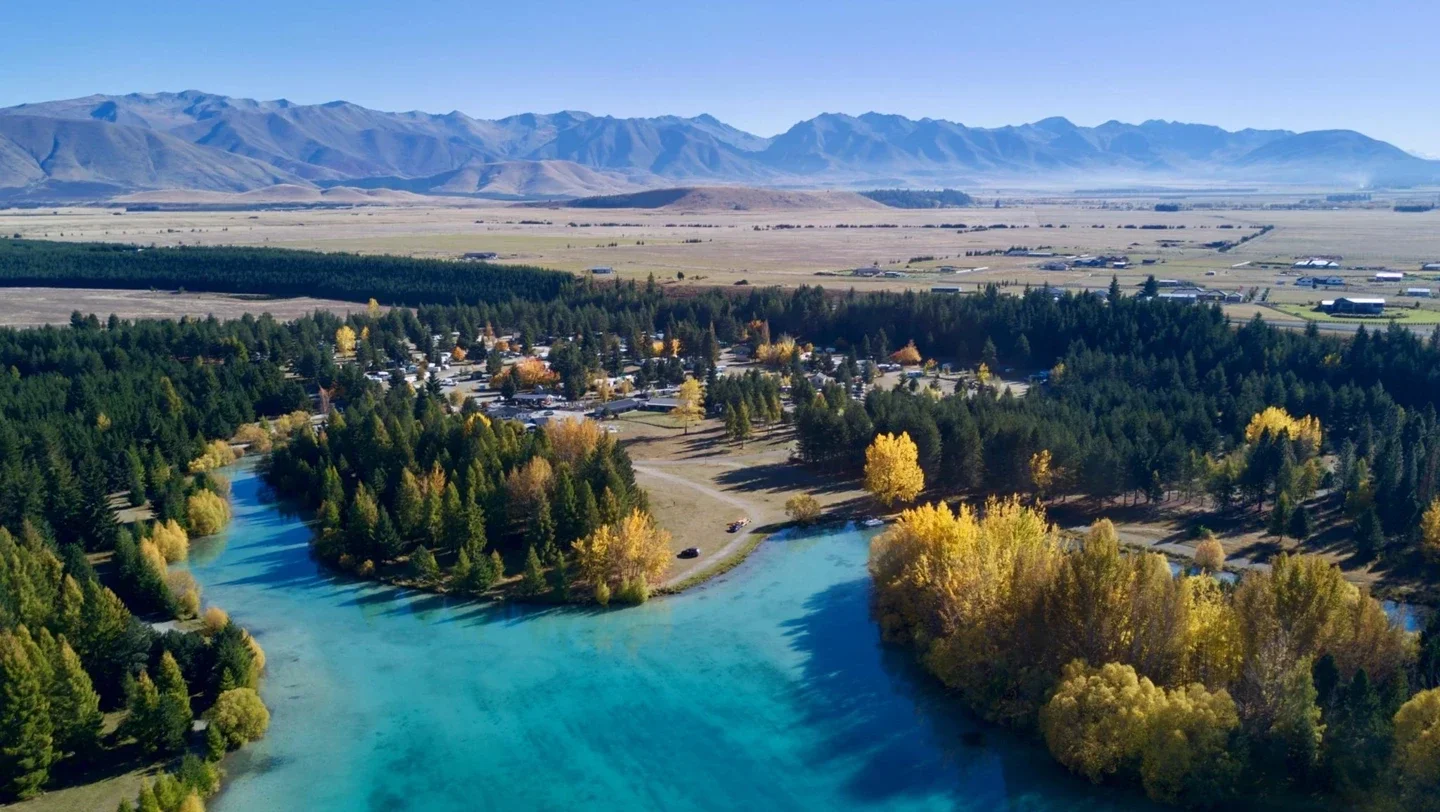
What makes Honour Bound unique is its balance: for every battlefield, there is a natural wonder; for every museum, a scenic cruise. This makes it the perfect choice for couples and groups who want history without sacrificing New Zealand’s world-famous scenery.
From Bay of Islands to Rotorua
The journey begins in Northland’s Bay of Islands, where visitors see both the Waitangi Treaty Grounds and stunning coastal scenery. In Rotorua, bubbling mud pools and hāngi dinners sit alongside visits to battle sites like Gate Pā.
From Lakes to Mountains
As the tour heads south, guests experience both the moving Waiouru Army Museum and the spectacular landscapes of Lake Taupō and Mount Cook. In Queenstown, optional wine tours and lake cruises provide relaxation after military heritage stops.
The Southern Highlights
In Fiordland, guests cruise through Milford Sound, where sheer cliffs drop into deep waters. In Dunedin, Fort Taiaroa and the Royal Albatross Centre combine wildlife and coastal defence history in one setting.
Why Military Heritage Makes Travel Deeper
Military sites add context and depth to scenic travel. Standing at Godley Head or Ruapekapeka, visitors don’t just see landscapes — they understand the struggles that unfolded there. This combination ensures Honour